Gjergj ErebaraTiranaBIRNJuly 5, 202318:05Sharp rise in the value of the lek is hitting Albanian exporters hard — but Bank Governor Gent Sejko insists the rise is down to normal economic activity — not money laundering, as critics claim.
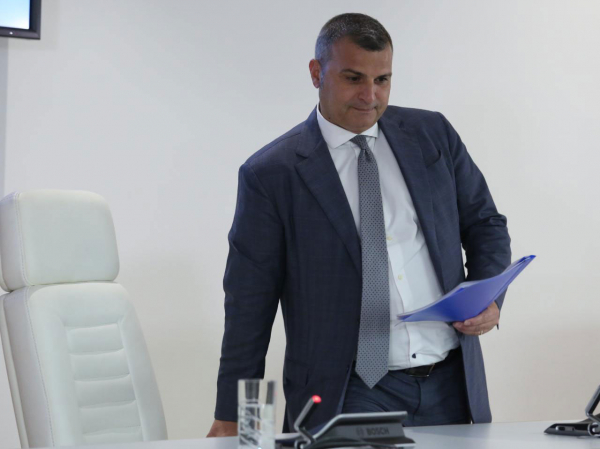
Albania’s Central Bank governor Gent Sejko at a press conference in Tirana on 6 July 2022. Photo: LSA
Albania’s Central Bank does not plan to intervene in the exchange rate to stop the fast rise of the national currency, the lek, which has caused major concerns among exporters who claim the strong currency is hitting their revenues and profits.
Queried at a press conference, the bank governor, Gent Sejko, said he had “no reason to intervene”.
“The inflow of euros to the country is being stimulated by tourism, foreign investments, the purchase of immovable properties by non-residents and by a higher influx of remittances,” Sejko said. “As such, the bank has no reason to intervene,” he added.
The lek has posted strong gains over the last few years. In 2016, it took 140 leks to purchase one euro while on Wednesday it took just over 104 lek – the strongest level ever. The appreciation of the lek has gained speed over the last few months, up from 117 leks per euro in January.
Recognizing the cost that this has for exporters, the government has proposed changes to fiscal laws to lower the burden on exporting companies at least for the next two years.
While the government insists that the strengthening of the lek is related to normal economic developments, many suggest that the astonishing inflow of euros into Albania is related more to the money laundering of crime profits from illicit activities of Albanians abroad, which the government denies.
Critics note that most of the country’s economic growth over the last several years has been in construction and real estate, which are sectors prone to money laundering.
The lek has surprisingly survived many shocks, such as the 2019 earthquake, which caused more than 1 billion euros’ of damage, and the COVID-19 pandemic, which blocked the economy for much of 2020.
It fared well even last year, when the war in Ukraine caused a massive increase in prices of energy in regional markets and the government was obliged to spend almost 500 million euros covering the bill for electricity imports alone.
Albania’s trade deficit jumped to almost 4 billion euros in 2022, up from some 2.8 billion in 2020. Over the same period, the lek strengthened from 123 leks per euro to 117.
Albania’s economy grew by 2.7 per cent in the first quarter of this year, slowing down from the 4.8 per cent growth registered last year.
For the first quarter, almost half of the growth was supplied by the construction and real estate sectors, while activity in other sectors was flat. Agriculture effectively stalled.
Source link: balkaninsight.com