Marian ChiriacBucharestBIRNMarch 20, 202616:27Parliament passes tough budget restricting public spending, as battle continues to reduce country’s concerningly high budget deficit.

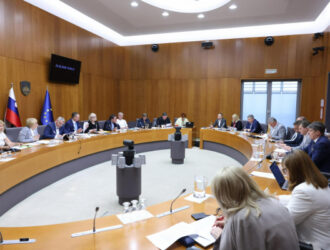
The Romanian Parliament in session, November 2025. Photo: EPA/ROBERT GHEMENT.
After days of political tensions and last-minute negotiations, Romania’s parliament on Friday adopted the 2026 state budget, setting a deficit target of 6.2 per cent of GDP and projecting modest economic growth.
The budget passed with 319 votes in favour from the ruling coalition and 104 against from opposition parties.
Romania’s GDP is expected to exceed 2,045 billion lei this year, or approximately 400 billion euros, with economic growth forecast at 1 per cent. The budget also outlines a restrictive approach to public spending, with a focus on cost control.
“The budget reflects Romania’s commitment to fiscal responsibility and includes funding for investments, salaries, pensions, and support measures,” Prime Minister Ilie Bolojan said in parliament.
The adoption process was marked by friction between the main parties in the ruling coalition, with the left-leaning Social Democrats backing a welfare handout for pensioners, while the centrist Liberals opposed the measure on fiscal grounds.
A compromise was eventually reached on Friday with funding for the scheme reallocated from a reserve fund initially earmarked for paying outstanding salary claims to magistrates. The last-minute deal helped break the deadlock and secure sufficient support for the budget’s passage.
In the nine months since its formation, Romania’s ruling coalition has implemented a series of unpopular measures, including tax and VAT increases as well as public spending cuts, aimed at reducing the budget deficit, which stood at 8.2 per cent of GDP last year, the highest in the European Union.
While these measures have narrowed the deficit, they have also placed strain on the coalition, pushed inflation toward double digits, and tipped the economy into a technical recession. They have also boosted support for the far-right opposition, which now has the highest level of public backing.
However, analysts say that, despite the persistent disagreements within the coalition, the government has to stay the course on deficit reduction or risk losing credibility with investors and access to international financing.
At the same time, tensions over the Gulf conflict and heightened geopolitical uncertainty are adding to strains on the weak and internally divided governing coalition.
Source link: balkaninsight.com