A protester waves a Bulgarian flag during an anti-government rally in Sofia, December 2025. Photo: EPA/BORISLAV TROSHEV. From Discontent to Regime Collapse, Bulgaria Had a Rollercoaster YearSvetoslav TodorovSofiaBIRNDecember 25, 202507:48 Svetoslav TodorovSofiaBIRNDecember 25, 202507:482025 started with a new government and ended with a surge of unrest causing the government’s unexpected fall – overshadowing Bulgaria’s long-awaited accession to the Eurozone.
Zhelyazkov government assumes power
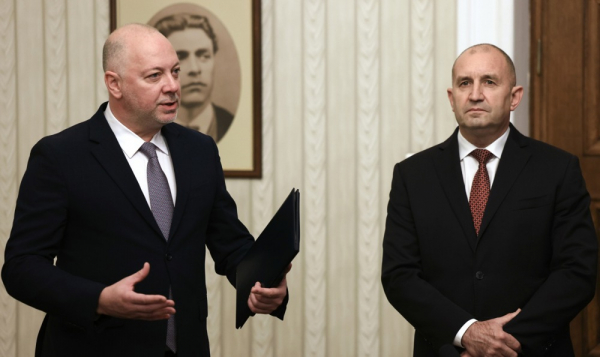
Bulgarian President Rumen Radev and GERB-SDS coalition candidate for Prime Minister, Rosen Zhelyazkov, attend an official ceremony in Sofia, January 2025. Photo: EPA/VASSIL DONEV
In January, following six general elections since 2021 and a prolonged political stalemate, GERB seemingly regained its influence through a coalition with the weakened Bulgarian Socialist Party and There’s Such a People, under GERB’s Rossen Zhelyazkov as prime minister. However, GERB leader Boyko Borissov remained the most vocal and recognisable presence in the party, while tycoon Delyan Peevski’s support for the cabinet in parliament became more visible, triggering protests.
Church role in schools causes disquiet
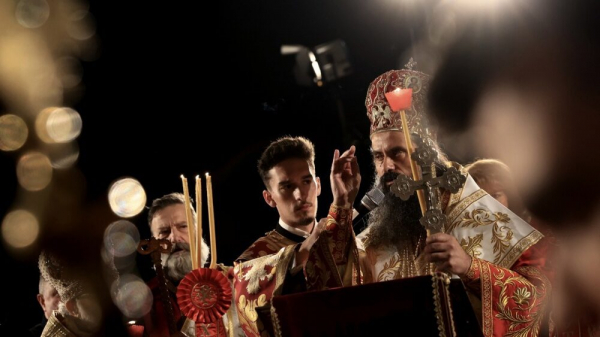
The head of Bulgaria’s Orthodox church, Patriarch Daniil, blesses during an Easter service at the Alexander Nevski cathedral in Sofia, April 2025. Photo: EPA/VASSIL DONEV
The first months of 2025 were marked by heated disputes over the government and Bulgarian Orthodox Church’s plan to impose more hours focusing on Orthodox Christianity in school lessons to make children “good people”. The idea drew pushback from teachers and experts, and fears about Russian meddling through the controversial conservative Bulgarian Church Patriarch, Daniil. Since the government’s fall, the plan seems on hold.
Signs of shake-up in stale political order
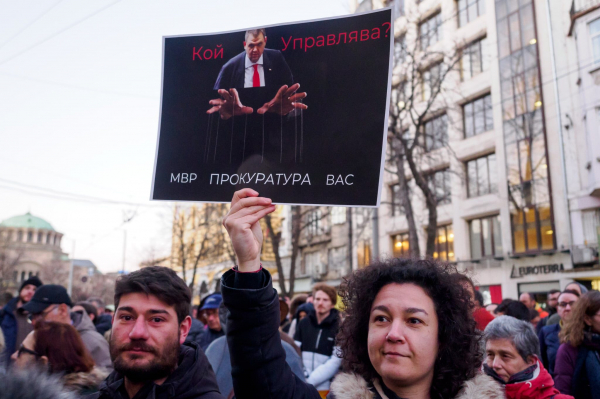
Protest in Sofia in March 2025 against the political influence of oligarch Delyan Peevski and systematic corruption. Photo: Anastas Tarpanov.
In March, after several quiet political months, crowds started taking to the streets against alleged electoral fraud by tycoon Delyan Peevski’s party, New Beginning, and over allegedly corrupt ties between Peevski and ruling party GERB’s leader, Boyko Borissov.
Eurozone disinformation benefits pro-Russian parties
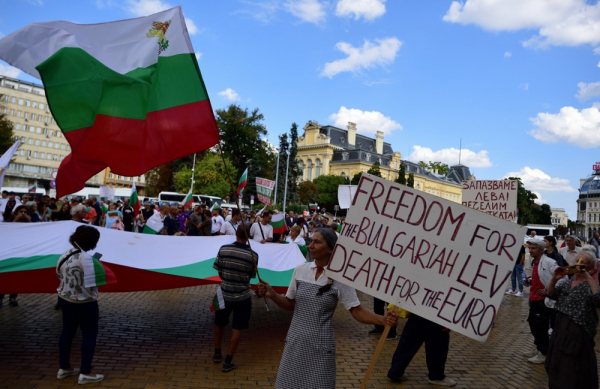
An anti-Eurozone protest outside the parliament building in Sofia, September 2025. Photo: EPA/VASSIL DONEV
In spring and summer, the pro-Kremlin far-right party Revival initiated several protests against Bulgaria’s forthcoming adoption of the European single currency. Some demonstrations saw buildings vandalised and led to clashes with police. A BIRN analysis in August looked at how disinformation and Kremlin-led narratives are thriving unchecked in Bulgaria.
Roma communities left struggling after demolitions
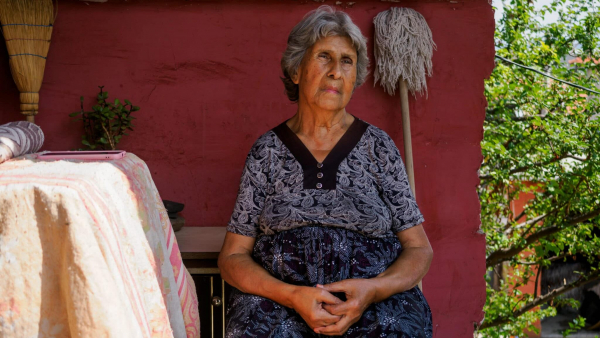
A Roma woman in the city of Stara Zagora in central Bulgaria who was affected by the wave of demolitions that the mayor said targeted illegally-built dwellings. Photo: Anastas Tarpanov.
Through 2025, several cases of displacement gained media traction and caused unrest, while also defying European Court of Human Rights rulings. In April, authorities in Sofia flattened Roma homes, leaving several hundred of them living in tents or under the open sky, despite having lived in these neighbourhood for decades. In August, authorites did the same in Stara Zagora.
EU confirms Bulgarian entry to Eurozone
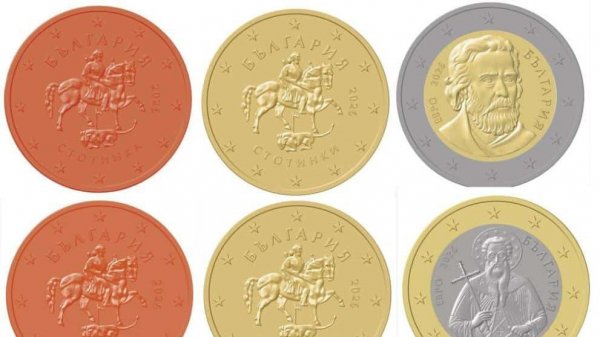
Bulgarian euro coins. Photo: Bulgarian National Bank
In July, the EU Economic and Financial Affairs Council confirmed Bulgaria would be the 21st member of the Eurozone. Bulgaria has anticipated the adoption of the single currency since it joined the European Union in 2007 – another milestone in its often rocky transition from communism since 1989. Bulgaria will officially adopt the euro from January 1.
Laws changed to take over Russian oil refinery
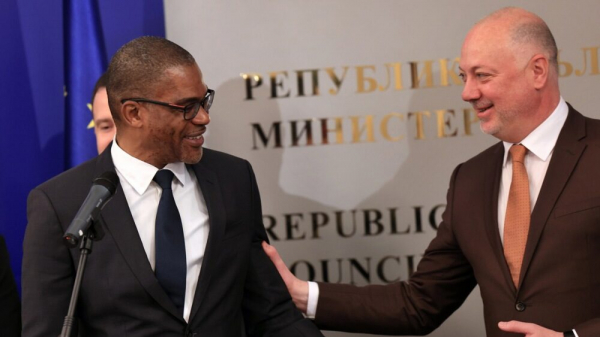
Bulgarian Prime Minister Rosen Zhelyazkov and Shell executive Eugene Okpere during the signing in Sofia of a contract for oil and gas exploration in the Black Sea, April 2025. Photo: EPA/VASSIL DONEV
Between October and November, Bulgaria raced to essentially nationalise and sell off the Lukoil refinery in Burgas, a response to US sanctions on Russian oil firms. Despite much speculation about interested parties, a new buyer had yet to be found by December. Bulgaria stopped importing Russian crude oil in 2024 and shifted to alternative sources from Kazakhstan, Iraq and Tunisia – but still using Russian company Lukoil’s network. In a separate development in April this year, Bulgaria signed a contract with Western energy giant Shell for oil and gas exploration in its economic zone in the Black Sea.
Protest movement brings down government
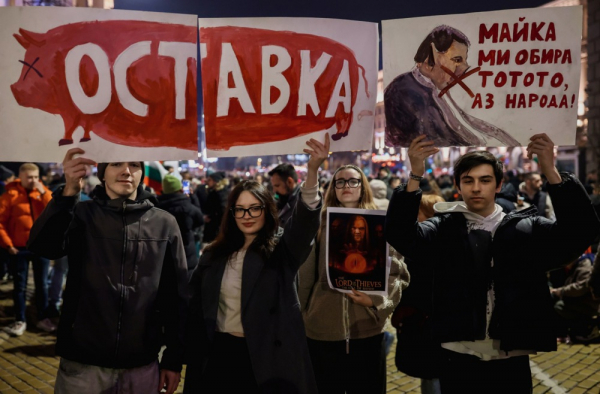
Protesters hold a banner with the slogan ‘Resignation’ during an anti-government rally in Sofia, December 2025. Photo: EPA/BORISLAV TROSHEV
Between late November and early December, Bulgaria saw one of its largest waves of protest in its history, with residents of the capital and smaller towns taking to the streets to demonstrate against the GERB-led coalition government and – yet again – against the political influence of the oligarch Delyan Peevski. The movement led the government of Rossen Zhelyazkov to resign on December 11; his administration had not even lasted a year. New elections are expected in early 2026.
Source link: balkaninsight.com